



Original market intelligence, analysed, cross-referenced and published by Blockbeat News.
French Senate rejects crypto wallet disclosure plan as Switzerland lists potential tax data partners
France’s Senate rejected a proposal to require taxpayers to declare directly held crypto wallets if their combined value reached €100,000 at year end. Switzerland listed 57 potential partners, including France, for automatic exchanges of crypto tax information from 2028, subject to each partner’s interest and compliance with OECD standards.
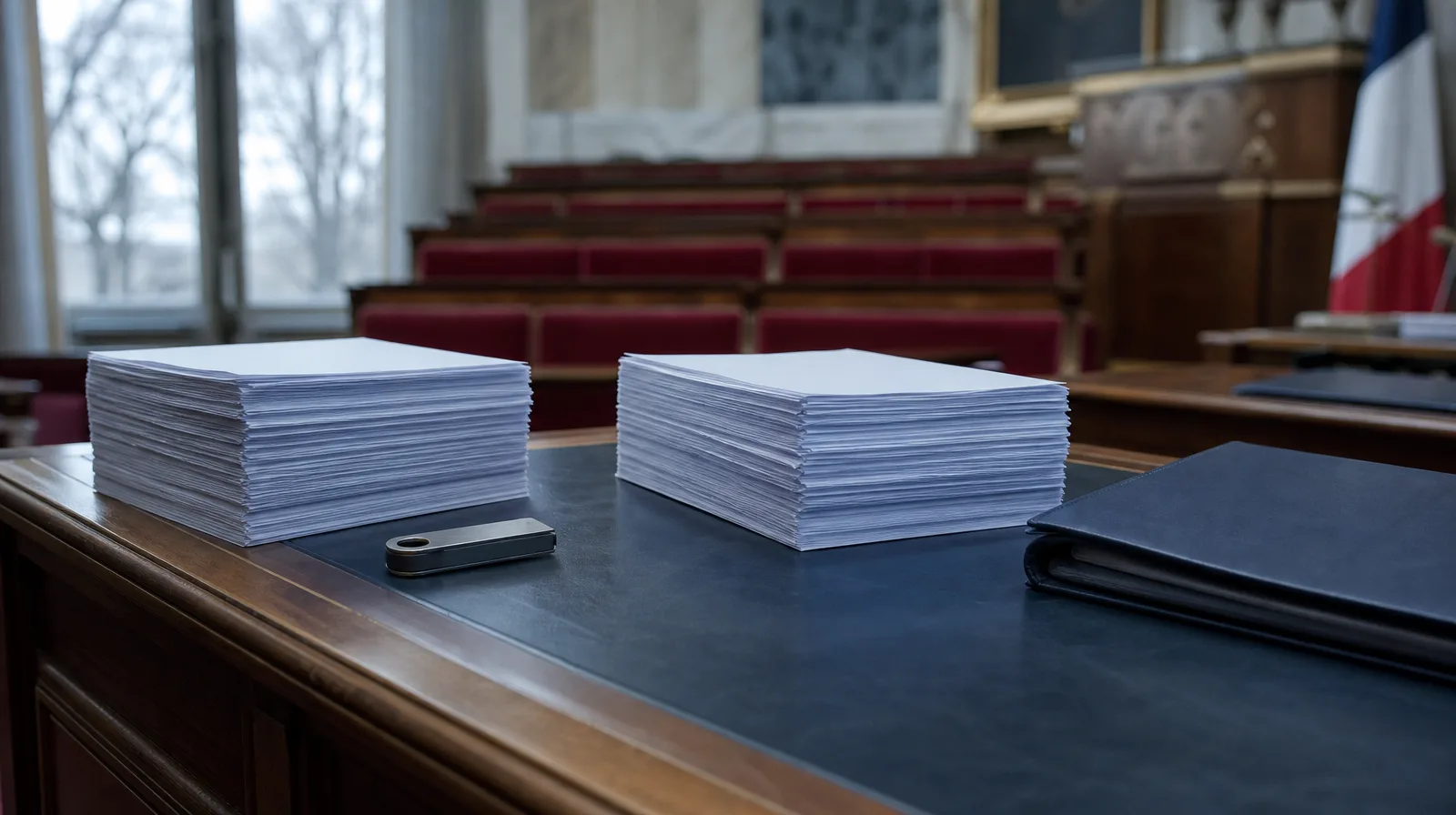
France’s Senate rejected a 2027 budget amendment on crypto wallet disclosure. It would have required taxpayers to declare wallets they held directly, rather than through a crypto service provider, if the assets in those wallets were worth €100,000 or more in total on 31 December of the year covered by the declaration.
France is pursuing a separate route to crypto tax information. A bill authorising approval of a multilateral agreement on automatic information exchange under the Crypto-Asset Reporting Framework was filed with the National Assembly on 27 October 2026, after the Senate adopted it.
Switzerland sets conditions for crypto tax data exchanges
On 25 November 2026, Switzerland’s Federal Council approved a list of 57 countries and territories as potential partners for automatic exchanges of crypto tax information from 2028. The list includes all EU member states, including France. Exchanges depend on each partner’s interest and compliance with OECD standards, including confidentiality and data security requirements. The Federal Council said it would check compliance before exchanging information.
The two approaches answer different questions. Cross-border exchanges can give tax authorities information from partner jurisdictions, but those records do not by themselves establish the combined year-end value of a taxpayer’s directly held wallets. Under the rejected French amendment, that value would have determined whether the taxpayer had to declare the wallets.
Source note: We have made reasonable efforts to provide sources for material claims. Some third-party sources could not be accessed at publication.
Related reading
Intelligence ·
France’s crypto-to-stablecoin tax proposal returns in the Senate
A French proposal would make gains taxable when private investors exchange cryptoassets for MiCA-defined e-money tokens. The National Assembly’s version fell when it rejected the 2027 budget’s revenue section, but senators reintroduced the measure on 19 November. It remained a proposal, rather than enacted tax law, at the 23 November assessment cutoff.
Intelligence ·
Crypto licensing decisions put exchanges and stablecoin offerings under pressure
By autumn 2026, digital-asset regulation was directly controlling market access. MiCA’s transition deadline and stablecoin restrictions provide the clearest examples, while the UK and Russia have opened formal authorisation routes and the US has begun implementing statutory stablecoin safeguards.
Intelligence ·
CFTC stays Kalshi Trump-mention contracts as federal pre-emption fight widens
The CFTC has paused a series of Kalshi contracts tied to Donald Trump’s words while separately asking federal courts to block state enforcement against regulated prediction-market exchanges. The actions distinguish federal jurisdiction over a venue from compliance by each contract and trader.
Intelligence ·
Tokenisation advances as regulators reinforce compliance boundaries
Early-September decisions in South Korea, the UK and the United States created potential routes for tokenised securities and digital-asset banking services, while Italy’s central bank reinforced sanctions-screening expectations. The common theme is integration subject to legal, prudential and compliance controls.